




Who Is James Feen? A Deep Dive into His Life, Impact & Vision
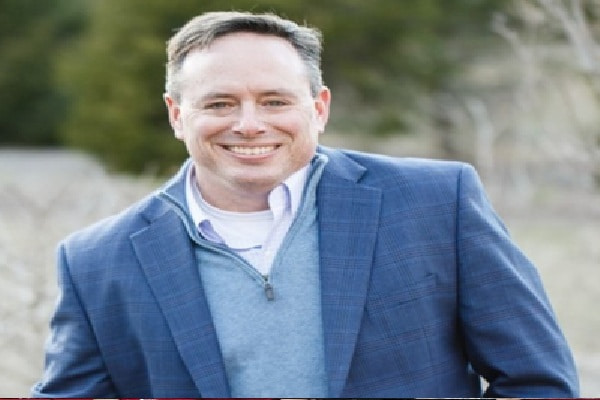
Some leaders don’t need the spotlight to change the trajectory of an entire industry. James Feen is one of those rare names who proves that meaningful digital transformation in healthcare doesn’t rely on flashy announcements or buzzwords. It comes from empathy, strategic vision, and a deep understanding of what technology can do when it meets real human needs.
His story isn’t just about leadership. It’s about the invisible work that fuels better patient care, more efficient systems, and secure, connected digital health operations. When people talk about modern CIOs shaping the direction of healthcare, Feen’s name repeatedly surfaces for all the right reasons.
Let’s explore how his journey unfolds, the hard lessons behind his success, and why his approach matters for anyone working at the intersection of healthcare, technology, strategy, or digital decision-making.
Who Is James Feen and Why Do His Ideas Matter?
James Feen has earned recognition for the way he blends clinical awareness with practical tech leadership. While many executives specialize in only one side of the health-tech equation, Feen has carved out a reputation that spans multiple layers:
-
data strategy
-
clinical operations
-
internal governance
-
cybersecurity
-
infrastructure planning
-
change management
That range gives him an extremely powerful perspective. He understands that technology alone doesn’t solve problems. The right people, decisions, strategy, and empathy do.
His work shows up most publicly in his role as Senior Vice President and Chief Information Officer at Southcoast Health, where his leadership sets the direction for digital operations across multiple hospitals and health services.
1. The Early Career Foundation That Shaped His Approach
One of the most important parts of Feen’s story is how hands-on experience shaped him. His early roles appear to be grounded in healthcare technology environments, where the gap between clinical workflows and IT systems is often painfully visible.
These early positions likely exposed him to:
-
system failures and workarounds
-
clinicians struggling with poor interfaces
-
administrators who couldn’t access the right data
-
lagging infrastructure that slowed innovation
Watching those challenges firsthand gives a leader a different mindset. It builds awareness that digital strategy is not just a technical blueprint. It’s operational, emotional, and cultural.
That understanding became one of Feen’s strongest leadership assets: he can translate between technical and clinical languages.
2. The Rise to CIO: A Turning Point at Southcoast Health
Stepping into the CIO role at Southcoast Health marks a defining stage in Feen’s career. He oversees the digital strategy for the entire organization, including:
-
telehealth
-
workflow improvement
-
cybersecurity
-
EHR platforms and integration
-
identity and access management
-
system upgrades and modernization
Becoming CIO isn’t a job someone just falls into. It demands:
-
risk management
-
credibility with clinical leadership
-
the ability to justify investment
-
strong relationship-building skills
-
a clear vision of long-term needs
Feen earned that trust by proving that digital systems improve care delivery only when they support clinicians—and never get in their way.
3. Signature Initiatives That Transformed Southcoast Health
Feen’s leadership has shaped several major upgrades and system-wide programs. These are the most defining ones:
A. A Strategic System for IT Governance
Instead of greenlighting every project idea, Feen built a structured governance system. Ideas go through evaluation based on:
-
value
-
organizational relevance
-
impact
-
long-term sustainability
This keeps resources focused on meaningful change rather than trendy tech decisions.
B. Infrastructure Optimization
Healthcare systems often delay foundational upgrades while chasing innovation. Feen prioritizes the basics:
-
VOIP modernization
-
PC fleet renewal
-
identity management
-
system stability
-
platform modernization
He understands that innovation doesn’t work if the foundation isn’t strong.
C. Workflow-Driven Technology
Many health organizations buy expensive technology that never fits. Feen focuses on designing systems around real-world processes.
That means:
-
reducing clicks
-
smoothing transitions
-
improving documentation
-
streamlining data flow
-
cutting redundancy
Technology should support care—not distract from it.
D. Data Integration and Interoperability
Feen pushes for systems that communicate across departments and workflows. When data moves freely and securely, the entire network benefits:
-
fewer duplicate procedures
-
better clinical records
-
easier patient navigation
-
stronger insights for decision-making
This is one of the biggest differentiators in his leadership style.
E. Telehealth and Virtual Care
Telehealth exploded over recent years, and Feen ensured the infrastructure could meet demand. His focus includes:
-
virtual visits
-
remote monitoring
-
mobile patient portals
The outcome is increased access and flexibility.
F. Cybersecurity Strategy
For Feen, security isn’t just IT housekeeping. It’s patient protection. He balances:
-
compliance
-
usability
-
privacy
-
seamless access
That balance is much harder than it looks.
4. The Leadership Philosophy Behind His Success
What truly separates Feen is how he leads. His leadership philosophy centers on trust, collaboration, and continuous improvement.
The most defining elements include:
Collaboration
He actively pulls clinicians, operations teams, and administrative staff into planning and decision-making.
Empathy
He considers:
-
how patients experience care
-
how many clicks clinicians must make
-
what frustrates staff
-
where the friction is
Technology should remove burdens, not add them.
Transparency
Instead of hiding progress, he shares performance indicators openly—building credibility and alignment.
Resilience
Healthcare innovation always meets resistance. Feen knows friction isn’t a problem—it’s a signal.
5. Achievements and Recognition
While Feen doesn’t chase headlines, his work hasn’t gone unnoticed. His performance metrics and upgrades have been highlighted publicly.
Some noteworthy achievements include:
-
delivering around 63% of requested IT projects within target thresholds
-
improving digital maturity across Southcoast Health
-
introducing governance that set a new standard for healthcare IT
Industry publications increasingly mention his model as an example of effective healthcare transformation—not just another tech rollout.
Also Read : Gill Hinchcliffe Life, Career, and Private World of a Quietly Influential Woman
6. The Challenges That Shaped His Leadership Style
No executive reaches this level without facing major obstacles. Feen’s challenges reflect broader industry tensions—and the way he responds creates lessons for others.
Modernizing legacy systems
Older systems resist change. His solution: improve the infrastructure first, then layer innovation on top.
Overcoming resistance
Clinicians and administrators often resist new systems if they seem disruptive. Feen stays ahead of this by focusing on:
-
training
-
communication
-
stakeholder inclusion
Finding balance between security and usability
Too much security slows care. Too little creates risk. Feen walks that middle line intentionally.
Prioritizing high-value projects
Not every idea deserves a greenlight. His governance model forces tough but strategic prioritization.
7. What Comes Next for Feen and Southcoast Health
The future of healthcare technology continues to expand, and Feen’s strategy seems positioned to lead in several directions:
AI and analytics
Machine learning for clinical insights, scheduling, and risk prediction.
Remote monitoring and wearable integration
Building systems that include patient-generated data.
Virtual care and telehealth expansion
Hybrid models, remote visits, and mobile portals.
Blockchain and secure data exchange
New pathways for patient information sharing.
Partnerships and innovation networks
Tech startups, academic collaborations, and vendor alliances.
Feen’s balance of practical experience and future-focused direction suggests his influence will only grow.
What Makes His Model Different?
Many organizations fall into common traps during digital transformation. Feen avoids them. Here’s a simple comparison:
| Common Mistake | Feen’s Approach |
|---|---|
| Deploying tech without purpose | Starts with strategic needs |
| Siloed implementation | Focuses on integration |
| One-time launches | Treats transformation as ongoing |
| Burdensome workflows | Streamlines for clinicians |
| Security over usability | Designs for both |
This is where his leadership stands out.
FAQs about James Feen
What is one of James Feen’s most influential initiatives?
His approach to IT governance and infrastructure modernization has had a huge impact on organizational performance and digital maturity.
Does he publish research or academic studies?
He isn’t widely published in academic journals. His insights are shared through interviews and professional platforms.
Is his work limited to Southcoast Health?
Most public coverage focuses on his work there, but his leadership model is widely referenced across the healthcare industry.
How does he measure success?
He uses performance metrics like uptime, project completion rates, user satisfaction, and value alignment.
Why do other technology leaders study his work?
His blend of empathy, operational experience, and strategic vision makes him an example of what successful healthcare CIOs should look like.
Final Takeaway
James Feen represents a new kind of healthcare technology leader—one who builds systems around humans, not the other way around. His approach at Southcoast Health shows how digital transformation works when it’s designed thoughtfully, staffed collaboratively, and executed with clarity and purpose.
If you work in healthcare IT, digital strategy, clinical operations, or organizational leadership, there’s an enormous amount to learn from the way he builds, prioritizes, modernizes, and evolves the systems that support better care.
He doesn’t just manage technology.
He turns it into something that actually works for everyone.







Salma Shah Age: Everything You Need to Know About Her Life and Career