



Tenerife Airport Crush Emergency Meeting Inside the Incident, the Response, and the Urgent Lessons Learned
Travelers think of Tenerife as a place where worries melt away the moment you step off the plane. Golden beaches, warm breezes, relaxed cafés — it’s the kind of destination people choose to escape stress, not meet it head-on. But one chaotic afternoon changed that image for thousands, forcing authorities to confront weaknesses that had been building for far too long.
The Tenerife Airport Crush Emergency Meeting wasn’t scheduled as a formality. It was called because a frightening incident shook both locals and visitors. A sudden crowd surge inside the busy terminal exposed hidden cracks in safety protocols, communication systems, and infrastructure planning. What unfolded that day wasn’t just a travel delay — it was a wake-up call.
Below, you’ll find a detailed, friendly breakdown of what happened, why it happened, and the major decisions made during the emergency meeting. If you’re someone who loves staying informed, traveling often, or following aviation developments, this deep dive will give you clarity, context, and real value.
1. How a Routine Day Turned Into a Dangerous Crush
Tenerife welcomes millions of travelers each year, especially through the bustling Tenerife South Airport (TFS). It’s the hub for sun-seekers arriving from across Europe, and on most days, the movement of people, luggage, and flights flows without serious trouble.
But on the day of the incident, several unexpected delays overlapped:
-
Weather disruptions
-
Technical issues on multiple aircraft
-
Holiday passenger volume
-
Backed-up boarding zones
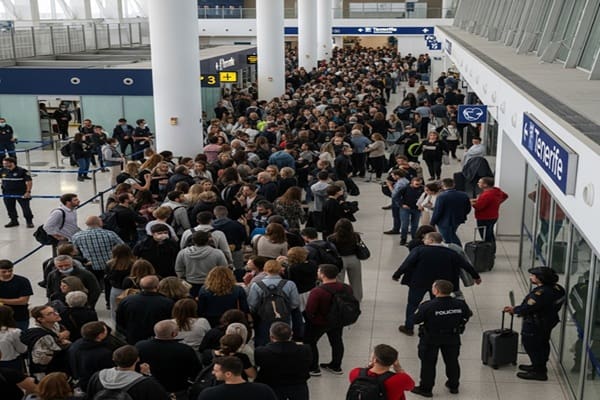
These delays meant several flights were suddenly ready to board at the same time. Corridors that were meant for smooth flow became blocked. People were standing shoulder-to-shoulder. And with each new announcement, more travelers crowded into already packed spaces.
Panic Builds Quickly When Space Runs Out
Witnesses described:
-
People unable to move or breathe comfortably
-
Children crying as pressure increased around them
-
Travelers trying to move in opposite directions
-
Individuals falling as the crowd shifted and tightened
Airport staff rushed to respond, but the surge moved faster than the manual systems in place to control it. Police and medical teams arrived within minutes, treating passengers for:
-
Panic attacks
-
Bruising
-
Breathing difficulties
Two passengers required temporary hospitalization.
While the physical injuries were mostly minor, the emotional shock was serious — especially for families who recorded the chaos on their phones. These clips spread across social platforms within hours, triggering national concerns.
2. Public Outrage Forced Authorities to Act Fast
Once the videos reached wider audiences, Tenerife’s airport leadership and tourism officials were flooded with criticism. A trending hashtag amplified the event, and frustrated travelers demanded accountability.
Local authorities acknowledged the situation publicly and agreed the conditions were unacceptable. Within a day, plans were set for a full Tenerife Airport Crush Emergency Meeting, bringing together aviation, government, tourism, and emergency response leaders.
This wasn’t just a media-driven move. It was a recognition that the airport had become busier than its infrastructure could comfortably support.
3. What Really Happened Behind Closed Doors
The emergency meeting took place at the regional government headquarters. While no public observers were allowed inside, officials shared the main agenda afterward.
Key attendees included:
-
Directors of Tenerife South and Tenerife North airports
-
Canary Islands Transport Minister
-
Spain’s Civil Aviation Authority
-
Senior police representatives
-
Medical and emergency response teams
-
Tourism board officials
Topics discussed:
-
Why crowding escalated so quickly
-
Failures in communication and signage
-
Lack of multilingual updates
-
Insufficient staffing during peak periods
-
Airport layout problems contributing to bottlenecks
-
Short-term fixes vs. long-term rebuilding needs
The meeting ended with a clear promise: an independent safety audit, structural improvements, and protocol changes that would start immediately.
4. Infrastructure Weaknesses Became Impossible to Ignore
The crush incident wasn’t an isolated accident — it was the result of long-developing strain.
Experts and staff had already raised concerns in the past about:
-
Terminal corridors too narrow for modern traffic
-
Limited expansions despite higher flight schedules
-
Confusing directional signs
-
Delayed digital display updates
-
Too few trained personnel during busy seasons
As tourism rebounded sharply over the last two years, the airport simply couldn’t keep up with the volume. The crush made that imbalance impossible to overlook.
Authorities admitted that planning hadn’t evolved at the pace required. The meeting’s decisions signaled a shift from temporary fixes to structural change.
5. Crowd Safety Is More Than Security Checks and Metal Detectors
A powerful realization emerged from the incident: airport safety isn’t only about screening bags or scanning passports. An airport is a living, breathing system where tens of thousands of people move at once. When flow breaks down, danger can build in minutes.
What contributed to the crush:
-
Flight scheduling without adequate spacing
-
Overlapping boarding times
-
Limited waiting zones
-
Lack of real-time staff guidance
-
Communication gaps leaving passengers unsure where to go
Several European airports have reported crowding problems in recent years, but Tenerife’s situation stood out for the speed at which it escalated.
The meeting acknowledged that crowd management must become as important as traditional security procedures.
6. Official Responses, Promises, and New Policies
After the event, statements from different agencies attempted to rebuild public trust:
-
Airport management expressed regret and promised new procedures
-
The regional transport minister committed to a full investigation
-
Spain’s aviation authority promised a detailed report within 60 days
-
A helpline was set up for affected passengers
-
Airlines offered compensation or travel vouchers
The emergency meeting produced several immediate action points.
Changes announced:
-
Hiring more than 50 crowd-management specialists
-
Launching a multilingual mobile alert system
-
Redesigning a key terminal corridor to allow smoother flow
-
Increasing staff presence during flight delays
-
Holding emergency drills every 90 days
-
Proposing national guidelines on crush-prevention in airports
While not every change can happen overnight, the shift toward serious reform is already underway.
Also Read : Lola Jade Fielder-Civil: The Untold Story Behind a Name That Matters
7. Why This Meeting Matters Beyond Tenerife
What happened in Tenerife isn’t just a local issue. It caught the attention of aviation authorities around Europe. The European Aviation Safety Agency urged airports to perform density simulations to test how well they could handle peak-time pressure.
There are talks about developing a continent-wide standard for crowd safety — similar to existing rules for fire safety and emergency evacuation.
The crush didn’t just shake Tenerife. It nudged the entire aviation community toward rethinking how people are moved and protected inside airports.
Conclusion: A Difficult Lesson That Can Lead to Safer Travel
The Tenerife Airport Crush Emergency Meeting wasn’t simply about assigning blame. It became a turning point — a moment when officials recognized that passenger safety must account for every part of the travel experience, not only the time spent in the air.
The families who endured the surge, the travelers who felt trapped, and the staff who struggled to manage the chaos deserve more than apologies. They deserve lasting change. And the steps taken so far show that Tenerife aims to rebuild confidence through transparency, planning, and real action.
If these improvements continue, the island can restore its reputation as a place where stress fades — not where danger unexpectedly appears.
FAQ: Tenerife Airport Crush Emergency Meeting
What caused the crowd crush at Tenerife South Airport?
The crush happened when multiple flight delays created overlapping boarding times. Corridors filled quickly, signage wasn’t clear, and staffing levels couldn’t manage the sudden surge.
Were passengers injured?
Yes. Several travelers experienced bruising and panic attacks. Two required short-term hospitalization but recovered.
When was the emergency meeting held?
The meeting took place within two days of the incident and included leaders from aviation, government, emergency services, and tourism.
Why did the meeting gain so much national attention?
Videos posted by passengers showed the severity of the situation, leading to widespread concern and questions about airport safety standards.
What policy changes were announced?
Officials committed to more staff, new communication tools, structural redesigns, regular emergency drills, and a full safety audit.
How will these changes help travelers?
They aim to improve crowd flow, reduce bottlenecks, prevent crush scenarios, and ensure passengers receive clear, real-time information during delays.









Salma Shah Age: Everything You Need to Know About Her Life and Career