



Hugo Bachega Accent The Voice of a World in Turmoil
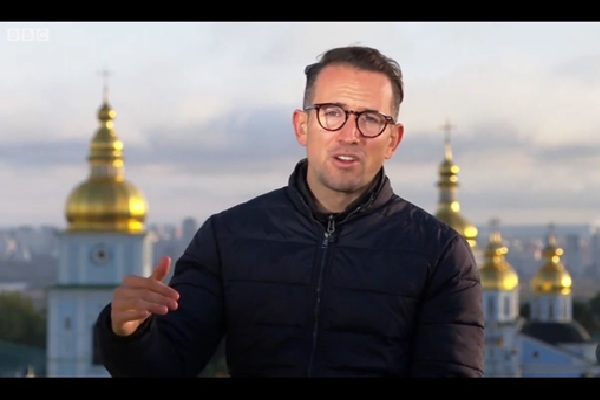
There are times during a live broadcast when the camera stays on the chaos of a conflict zone, but the attention of the world rests on one thing alone: the voice of the correspondent. The shouting, sirens, and background noise fade, leaving only a calm, steady tone guiding millions through the moment. For many BBC viewers, that voice is Hugo Bachega Accent — a correspondent known as much for his reporting as for the sound of his speech.
There’s something magnetic about the Hugo Bachega Accent. It’s not just a detail that listeners casually notice. It has turned into a point of curiosity, admiration, and even fascination. His voice carries history, movement, and identity. When he speaks, you hear a journalist who has crossed borders, learned languages, and lived in the middle of stories that changed the world.
This isn’t only about pronunciation or rhythm. It’s about how a voice becomes a map of experience. The Hugo Bachega accent is the voice of someone who belongs to many places at once.
1. Who Is Hugo Bachega? His Story and His Journey
Hugo Bachega Accent didn’t start as a BBC correspondent or global reporter. He was born in Brazil, where his first language and cultural foundation shaped how he spoke and saw the world. He didn’t take a straight line into broadcasting either. His early years were marked by curiosity and a desire to understand what was happening beneath the headlines.
Before moving to the BBC, he built his name at Reuters, digging into subjects like politics and business. That eventually led him deeper into international reporting. Over the years, Bachega became one of those journalists whose face and voice were familiar long before you knew his full story.
His assignments took him to some of the most volatile regions across the globe:
-
Ukraine
-
The Middle East
-
South America
-
Eastern Europe
These weren’t locations where you just collect facts and leave. They required something deeper: stamina, insight, emotional balance, and a voice that could communicate the truth clearly. That’s where the Hugo Bachega Accent began to stand out.
2. What Makes the Hugo Bachega Accent So Distinctive?
Describing the Hugo Bachega Accent is a challenge because it exists somewhere between languages and cultures. The Brazilian roots are still there in his speech — soft vowels and subtle rhythmic patterns. But layered on top is an unmistakably British influence shaped over years of working in international media.
His accent carries:
-
The warmth and fluidity of Brazilian Portuguese
-
The structure and clarity of British English
-
The confidence of someone used to speaking to millions
It isn’t fully native to one country or another. It sounds like someone who has lived across continents, shaped by several homes rather than just one. Many listeners describe the Hugo Bachega Accent as grounded and neutral but still rich and familiar.
It’s the opposite of a corporate or manufactured voice. There’s personality in it.
3. The Evolution of the Hugo Bachega Accent
To understand how the Hugo Bachega Accent developed, you have to look at the path he took as a journalist. Portuguese was the foundation. It shaped his first words and first thoughts. But English entered his life early and became part of his identity through international work, school, and professional necessity.
As his reporting career expanded into global television roles, his accent shifted. Not because he tried to hide his Brazilian background, but because successful communication across borders requires adaptation. That’s the story of anyone who learns to navigate cultures with confidence.
The evolution of his accent reflects:
-
Travel
-
Newsrooms
-
Interviews
-
War zones
-
Cultural exchange
It is a record of the places where he has lived and worked. His accent speaks of international experience without ever losing the tone of someone proud of where they began.
4. Why the Hugo Bachega Accent Connects With Audiences
The standout quality of the Hugo Bachega Accent is how it manages to stay calm and clear even when the situation is anything but. His voice walks a perfect line between urgency and composure. You can feel the seriousness of the moment without losing trust in the information he delivers.
Listeners rely on the way he speaks because it feels reliable. There’s an authenticity to the Hugo Bachega Accent that resonates during sensitive or high-pressure reporting. It sounds like a journalist whose experience gives weight to every word.
There is something deeply human about hearing a voice that clearly carries empathy and understanding. That subtle emotional presence is one reason people remember him.
5. A New Era of Journalism and the Role of Voice
Journalism used to follow one particular expectation when it came to speaking on air: everyone was supposed to sound the same. That has changed. The modern style values accents that reflect experience instead of uniformity.
The Hugo Bachega Accent is an example of that shift. His voice is not shaped by a single institution or classic broadcasting training. His voice sounds like the places where he has been, the voices he has spoken to, and the stories he has witnessed firsthand.
He doesn’t speak like someone shielded from the real world. He sounds like someone who has been in the middle of it.
6. Misunderstandings and Assumptions About His Accent
Whenever someone speaks with a unique voice in a public role, there are always opinions. Some people have even wondered whether the Hugo Bachega Accent is intentional or affected. Those assumptions say more about the listener than about the journalist.
The expectation that a broadcaster must sound like a traditional British or American native speaker ignores the reality of global communication. Millions of people speak English in their own way, shaped by education, culture, and heritage. The Hugo Bachega Accent reminds us that there is no single way to sound professional or credible.
His voice isn’t a performance. It is the natural outcome of a life spent reporting on stories that don’t always have easy answers.
7. The Deeper Meaning Behind the Hugo Bachega Accent
What people admire most about the Hugo Bachega Accent isn’t simply the sound of the words. It’s the sense of identity that comes through when he speaks. His accent is a reminder that you can grow, travel, evolve, and still stay connected to where you began.
It represents:
-
A multicultural life
-
A global perspective
-
A modern style of journalism
-
Borders crossed and stories lived
His voice suggests movement. It feels like the sound of someone who belongs to several countries at once — and that is its strongest quality.
Also Read : Who Is James Feen? A Deep Dive into His Life, Impact & Vision
Voice, Identity, and the Future of Global Reporting
When people talk about the Hugo Bachega Accent, they’re really discussing something bigger: who gets to speak for global audiences, and what authority sounds like. His voice is memorable not because it fits a mold but because it breaks it.
The Hugo Bachega Accent shows that credibility and clarity come from experience, empathy, and authenticity. His voice stands for journalists who work across cultures and languages. It reflects the modern path of broadcasting, where one accent doesn’t define professionalism.
His work reminds us that an accent can be a connection, not a barrier.
Frequently Asked Questions
What is the Hugo Bachega Accent?
It is a unique style of speech shaped by Brazilian Portuguese, fluent English, and years of global reporting. The Hugo Bachega Accent blends Latin influence with British clarity and international tone.
Is Hugo Bachega British?
No. He was born in Brazil and began his career there. Even while reporting for the BBC, the Hugo Bachega Accent reflects a multicultural background.
Why does the Hugo Bachega Accent sound different from other BBC reporters?
Because his identity and experiences are different. His voice reflects a global life, not a traditional broadcasting style.
Does Hugo Bachega try to modify his accent?
There is no sign of that. The Hugo Bachega Accent sounds natural and authentic, shaped by experience rather than intention.
Do audiences react positively to his voice?
Yes. Many listeners appreciate the clarity, calmness, and connection created by the Hugo Bachega Accent, especially during crisis reporting.







Salma Shah Age: Everything You Need to Know About Her Life and Career