




Ian Huntley The Man Behind the Soham Murders and the Legacy of a National Tragedy
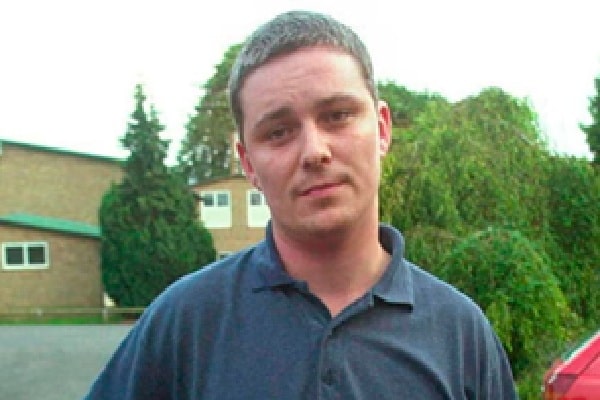
Some cases stay with a nation forever, not because they’re mysterious, but because they reveal something deeply unsettling about the people we think we know. The story of Ian Huntley remains one of those unforgettable moments in British criminal history. It wasn’t just a crime. It was a tragedy so shocking that it reshaped laws, public awareness, and safeguarding policies across the UK.
Everything began during the summer of 2002 in the peaceful village of Soham in Cambridgeshire. Two young girls, Holly Wells and Jessica Chapman, went missing after leaving home. Their disappearance triggered one of the biggest search efforts the country had seen. The country watched, held its breath, and prayed for good news. But the outcome was far more disturbing than anyone imagined.
What made this case so chilling wasn’t just the crime itself — it was who committed it. Ian Huntley had been living among the community, working around children, and appearing completely normal. His eventual arrest and conviction would expose major flaws in child-protection systems, push lawmakers into urgent action, and leave a mark on the entire country.
This deep-dive looks at Huntley’s life, the crimes, the trial, the consequences, and the huge changes that followed. It’s a story of betrayal, immense loss, and a legal reckoning that would transform safeguarding for future generations.
Early Life: The Making of Ian Huntley
Ian Huntley was born in August 1974 in Grimsby, Lincolnshire. His childhood wasn’t dramatically different from anyone else’s on the surface, but people who knew him later spoke about early signs of emotional instability and controlling behaviour.
Teachers and classmates recalled a boy who could switch between pleasant and manipulative. He clashed with authority figures and struggled to build healthy relationships. He had a talent for gaining trust and then breaking it.
Patterns that appeared early:
-
Controlling behaviour
-
Frequent emotional outbursts
-
Difficulty forming friendships
-
Manipulation and lies
-
A desire to dominate situations and people
His work life followed the same pattern. Huntley jumped between jobs, moving from one temporary position to another. Relationships fell apart just as quickly. By the late 1990s, he was already known for jealousy and possessiveness. That reputation eventually pushed him to seek a new start somewhere else.
A Fresh Start in Soham
Huntley moved to the village of Soham in 2001. On paper, it looked like he was settling down and rebuilding his life. He secured a role as caretaker at Soham Village College, a position that gave him direct access to the school community.
His girlfriend, Maxine Carr, worked at a nearby primary school as a teaching assistant. They seemed like an ordinary couple living a quiet rural life. To most people in Soham, Huntley came across as helpful, responsible, and approachable.
Yet underneath that friendly exterior, the same controlling and dangerous tendencies remained. Nobody realised how much of a risk he truly posed.
The Disappearance of Holly and Jessica
Everything changed on 4 August 2002. Holly Wells and Jessica Chapman, both just ten years old, didn’t return home after going out to play. They were bright, cheerful girls loved by their friends and families.
The village sprang into action. Police, volunteers, residents, and media organisations joined the search. Flyers were printed, appeals were broadcast, and the country watched closely.
Huntley joined the search. He spoke to neighbours, took part in community efforts, and even gave interviews expressing his concern. That single detail would later become one of the most haunting parts of this case. He appeared desperate to help, while secretly hiding the truth.
The Investigation: How Police Caught Huntley
Police started noticing inconsistencies in Huntley’s statements. His version of events kept changing. Eventually, forensic tests revealed fibres and physical evidence that connected the girls to Huntley’s home and vehicle.
Maxine Carr played a significant role in the investigation, not because she was directly involved, but because she provided Huntley with a false alibi. She told investigators that she was with him at the time of the disappearance. That lie would eventually lead to her conviction for perverting the course of justice.
Key pieces of evidence included:
-
Fibres matching the girls’ clothing
-
DNA traces found in Huntley’s house
-
Contradictions in Huntley’s timeline and statements
The turning point came when Huntley was arrested and charged with murder. The missing-person search officially shifted to a criminal investigation.
The Trial and Conviction
Huntley’s trial began in 2003 and quickly became a national event. Prosecutors laid out how he lured the girls into his home and murdered them. Witnesses spoke about his strange behaviour in the days after the disappearance.
Huntley tried to claim the deaths were accidental, but the jury rejected his story. He was convicted of murdering Holly Wells and Jessica Chapman and sentenced to life in prison with a minimum term of 40 years.
Maxine Carr was sentenced to 21 months for lying to protect him. Her involvement sparked a fierce debate about loyalty, responsibility, and accountability.
Life Behind Bars
Huntley is one of the most despised inmates in the UK. Over the years, he has been moved, placed in protective custody, and reportedly been attacked by other prisoners. He has also attempted to influence the media from prison and has tried to challenge aspects of his sentence — all unsuccessful.
His reputation ensures he will never escape what he did.
How the Case Transformed British Safeguarding
The impact of the Soham murders on the community and the country cannot be overstated. It exposed major failings in the background-check system. Huntley should never have been employed around children.
His history included earlier complaints and allegations that were never fully investigated or recorded. That failure created a national wake-up call.
Legal reforms included:
-
The Bichard Inquiry
-
Vast improvements in police intelligence sharing
-
The creation of strict background checks
-
The Vetting and Barring Scheme
-
The Disclosure and Barring Service (DBS)
These policies still protect children today.
Also Read : Lee Juggurnauth Partner: What We Know About His Love Life and Private World
The Legacy and Ongoing Debate
The Soham case continues to be referenced in documentaries, books, and public discussions about safeguarding. It changed how schools, parents, and authorities think about protecting children.
There are still ongoing debates about:
-
Whether media should give serious criminals a platform
-
How such cases should be covered
-
How to balance public awareness and victims’ dignity
-
The spread of conspiracy theories online
But one thing remains consistent: public outrage over the betrayal committed by Huntley.
A Tragedy That Forced a Nation to Learn
This case is remembered for its horror, but also for the lessons it forced into law. It reminds us how much trust communities place in the people around them — and how quickly that trust can be broken.
The greatest tribute we can offer isn’t the attention given to Ian Huntley. It’s the continued remembrance of Holly Wells and Jessica Chapman. Their story created a level of vigilance that protects children today.
FAQs
Who was Ian Huntley?
Huntley was convicted of murdering Holly Wells and Jessica Chapman in Soham in 2002.
Where is he now?
He is serving a life sentence in a high-security UK prison.
What happened to Maxine Carr?
She served 21 months for providing a false alibi.
What changed after the case?
New safeguarding laws, vetting processes, and DBS checks were introduced.
How old was Huntley at the time?
He was 28.
Has he spoken from prison?
Only in occasional interviews that caused public anger.









Salma Shah Age: Everything You Need to Know About Her Life and Career